
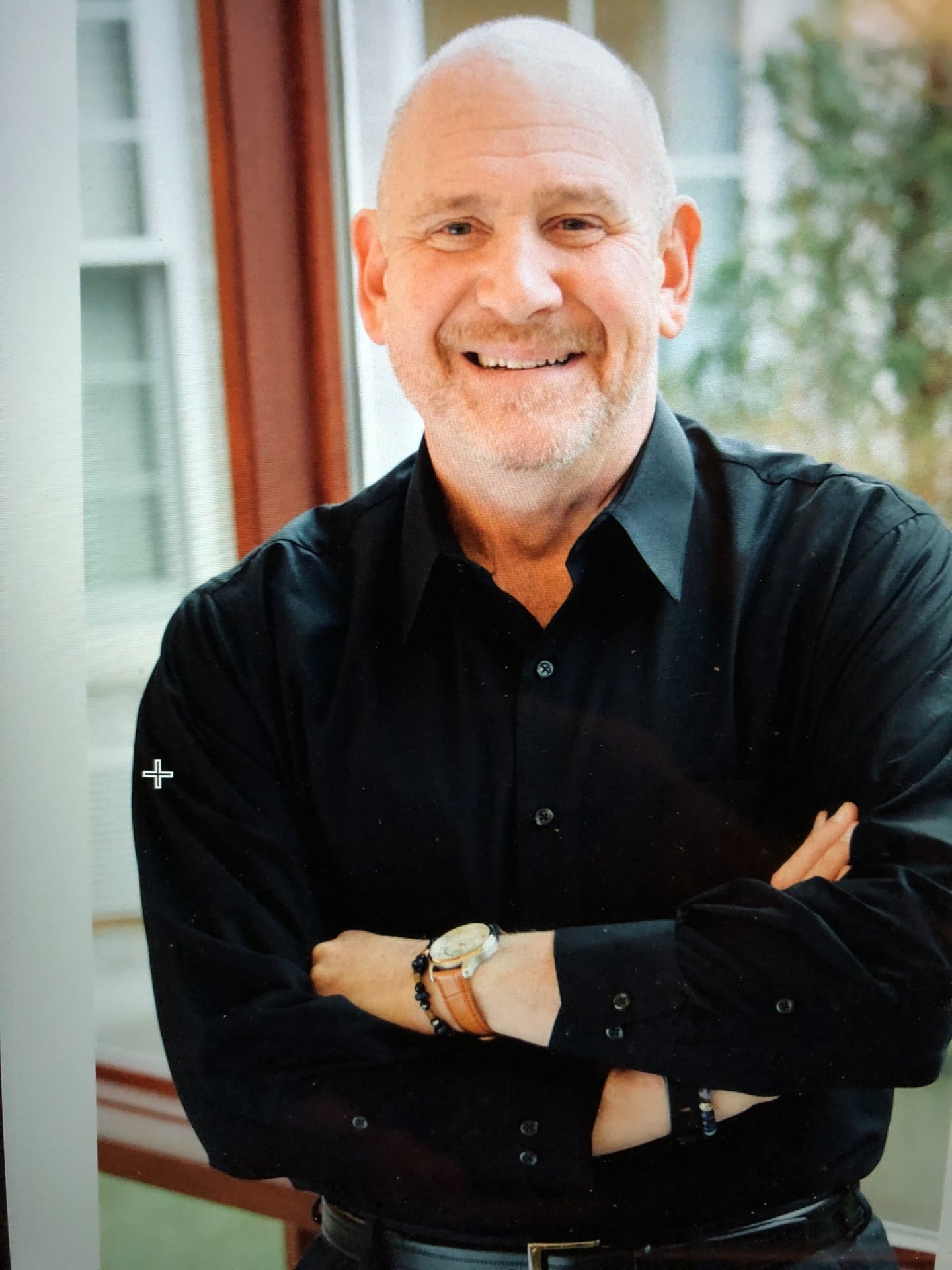
Hospice of the Western Reserve’s spiritual care coordinator is guest columnist Chuck Behrens.
Many people associate the word “chaplain” with religious ceremonies or formal prayer.
Some individuals believe that those with strong religious traditions are the only ones who need spiritual care. Others fear they will be forced to adopt views they disagree with.
These widespread presumptions ignore the loving, judgment-free human connection that spiritual care offers.
People are met where they are by spiritual care. That could involve scripture or prayer. At other times, it’s a peaceful moment, a discussion about legacy, a reassuring music, or just sitting quietly.
The emphasis is on significance, dignity, and support rather than religion.
All patients and their families, regardless of their background or belief system, can receive spiritual care at Hospice of the Western Reserve.
Our hospice teams in Northeast Ohio provide care for individuals from a wide range of backgrounds, cultures, religions, ideologies, and customs.
That variety is respected in spiritual care.
End-of-life situations create issues that medicine cannot resolve on its own. Some people ask for pardon. Others seek to make sense of their lives or teach their loved ones valuable lessons. Families could struggle with dread, guilt, or grief.
Through these feelings, spiritual care provides a consistent, caring presence free from bias, expectations, or agendas.
Fixing, converting, or preaching are not the objectives. Honoring each person’s top priorities in their last days is the aim.
There are many different ways to be spiritual, including through relationships, memories, values, nature, and culture. Patients and their families can discover those sources of strength with the support of spiritual care.
Hospice encompasses much than just bodily ease. It has to do with totality. In order to see and support people as whole individuals, spiritual care works in tandem with physical and emotional support.
It eases the heart and mind in addition to the body.
Belonging is more important than believing when it comes to spiritual care. It’s about being totally present, not about using the correct words.
Spiritual care makes people feel acknowledged, appreciated, and never alone at a time when being there is one of the most potent gifts we can provide.
We need to broaden our perspective on what real care entails as our area continues to provide care for an increasing number of people dealing with life’s last stages and severe illness.
Physical comfort is part of it. Emotional support is part of it. Additionally, it encompasses the silent but crucial task of connection, which is at the core of spiritual care.
Opinion page writings on subjects of general or regional interest are encouraged from readers. For review, submit your 500-word essay to Ann Norman at [email protected]. Essays must have the author’s photo and a brief biography. Essays that refute today’s themes are also encouraged.


