
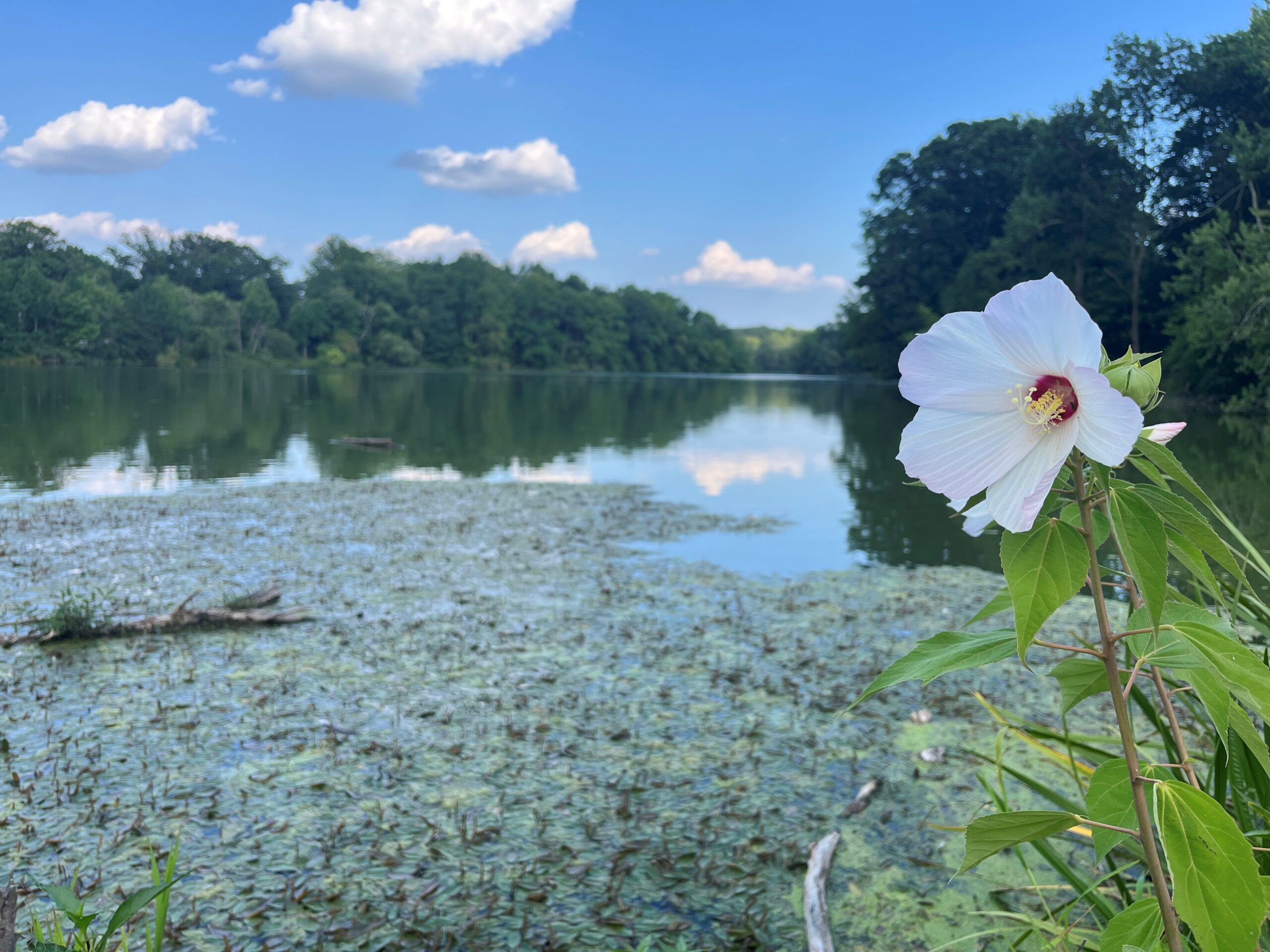
Ohio’s Cleveland Heights Despite a recent recommendation by the Northeast Ohio Regional Sewer District to dismantle its almost two-century-old dam, four of the five candidates running for the position of Cleveland Heights’ next mayor say they are in favor of preserving Lower Lake.
Two days after over 75 people flocked to Shaker Heights City Council Chambers to hear the district’s plan, the candidates’ remarks were made in an interview with the editorial board of cleveland.com on Wednesday. According to officials, updated flood modeling and cost estimates revealed that maintaining the dam would cost up to $55 million, which is almost five times the 2021 estimate, and would only offer minimal protection against downstream flooding when compared to dismantling it.
Horseshoe Lake and Lower Lake, the largest of the Shaker Lakes, would be eliminated, and Doan Brook would return to its natural state.
Cleveland Heights will have new leadership if it decides to fight. A recall vote is scheduled for September 9 and current Mayor Kahlil Seren, who was not eligible to run for a second term, may be removed from office as early as next month.
Council members Davida Russell and Jim Petras, lawyers Laura Hong and Marty Gelfand, and University Heights Chief of Staff Deanna Bremer Fisher are among the five contenders vying for his position.
When it came to maintaining Lower Lake in its current state, Hong’s response was the most persuasive.
According to Hong, Cleveland Heights needs to start putting more effort into their offensive. This is a situation when we must be firm.
In claiming that the dam would not adequately protect against floods in the case of a 100-year storm and that the construction of concrete walls eight feet high surrounding the lake would be necessary to save nearby homes, Hong accused the sewage district of employing scare tactics.
According to Hong, not just the houses near the lake will flood in that scenario, but also her own home in the Cedar-Coventry neighborhood.
In order to protect the Lower Lake and its natural ecology, we must drastically slow this train and take all necessary precautions.
According to Hong, she thinks locals appreciate the lakes enough to generate the necessary funds through private, independent donations.
After hearing Monday’s presentation, Russell stated that she was inclined to listen to the people and lean toward wanting to maintain Lower Lake because the sewer district’s numbers did not appear to make together.
However, she added, “I would really love to hear more information about it.”
According to Gelfand, the Cleveland Metroparks and the City of Cleveland, which owns the land and leases it to the suburbs, ought to be included in the discussion in an effort to protect the lake.
According to Gelfand, erasing our past also erases who we are in certain respects.
Fisher claimed that after telling the town that it could preserve Lower Lake, the sewage district changed its mind and suggested deleting Horseshoe Lake.
The financial estimates and flooding models that the sewer district used to modify its recommendation should be reexamined by the cities, she added.
People place a great deal of value on the lake, so I hope we can protect it. We will need to find alternative financial sources and enlist the help of other partners, Fisher stated. However, the community has expressed a strong desire and value for it.
The only person who did not specifically advocate for keeping the lake in its current state was Petras.
Petras questioned officials from the sewage district about whether the agency would cover the cost of replacing the dam if the cities covered the difference between dismantling and repairing it. The district refused.
Petras stated, “I believe there is probably a middle ground here.” Perhaps the sewer district could still fund a larger pond where locals may still relax and enjoy themselves. However, at the moment, it seems like a “tske-it-or-lesve-it” proposition.


