
LAS VEGAS As a walk-on defensive lineman at Iowa, Illinois football coach Bert Bielemawa received the news that every collegiate athlete in his position hopes for: He was awarded a scholarship.
He dialed his parents.
According to Bielema, they were crying on the other end of the call. I assumed they were simply content, but I also understood that, in the home where I grew up, scholarships made a significant difference.
Latest Ohio State Buckeyes news
-
NFL star who called for Ryan Day s job details visit to Ohio State football: It was a great experience
-
6 questions about Ohio State football s offense heading into fall camp: Buckeye Talk podcast
-
Predicting Ohio State s 2026 recruiting class as July comes to a close
-
Projecting Ohio State football s starting defense heading into fall camp
After over thirty years, things have changed.
Through revenue sharing made lawful by the House settlement, athletic departments are compensating athletes directly for their name, image, and likeness.
According to Bielema, the world has changed since we implemented a system in July where we will be paying our athletes via PayPal. It’s simply a completely new universe, and it’s fantastic.
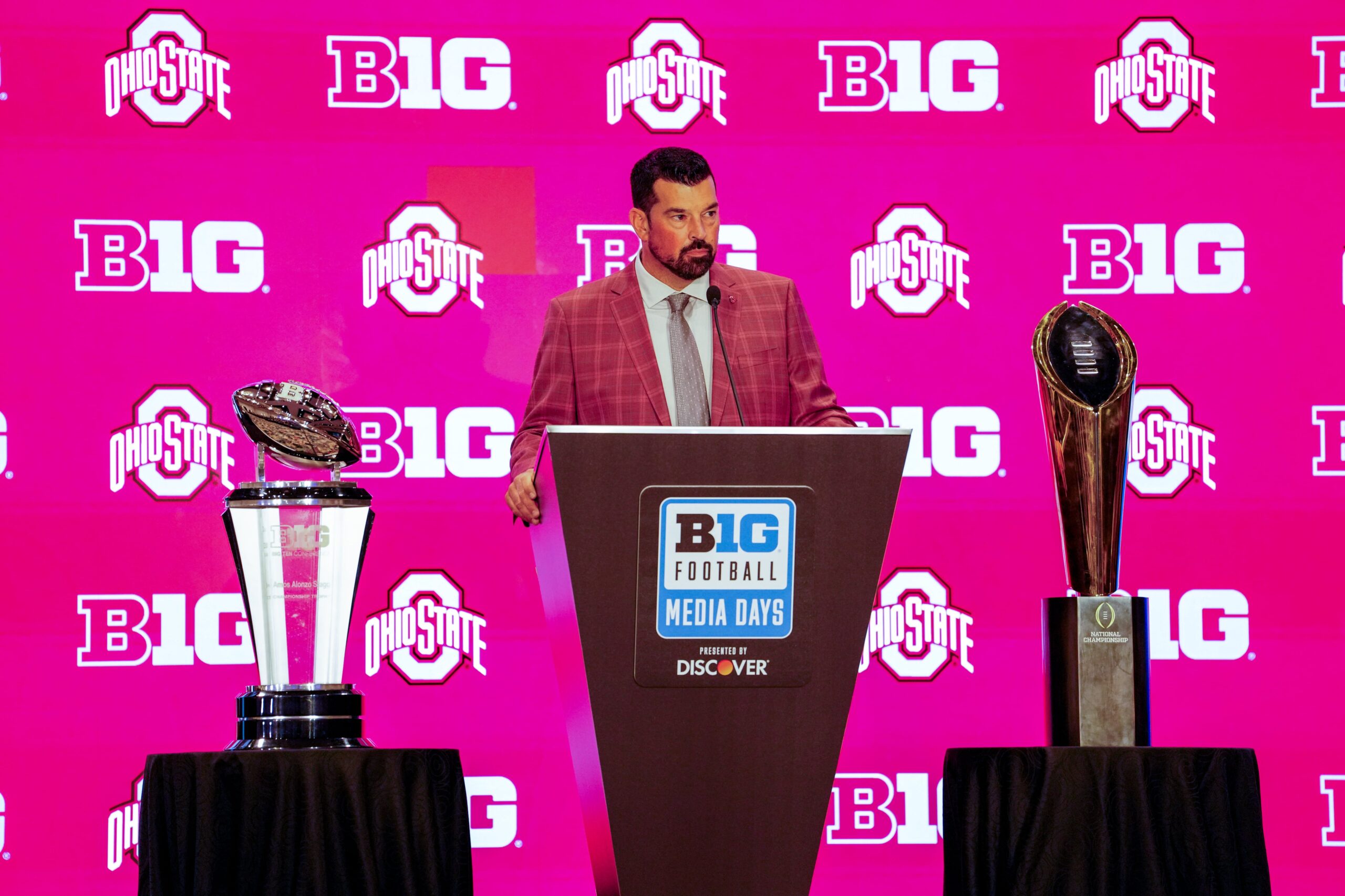
Bielema is adjusting to a new environment, just like the other Big Ten players, such as Ohio State coach Ryan Day. As a result, regulations, formats, and other things seem to be changing all the time.
How are they handling everything? Here are some quotes from last week’s Big Ten Media Days from different league coaches.
Big Ten coaches are emphasizing patience
College athletics have been very busy during the past two months:
-
June 6: TheHouse settlement
, after its approval was delayed in April, was signed by a judge
-
July 1: The House settlement went into effect
-
July 22: Ross Dellenger ofYahoo Sports reported
attorneys settled a dispute which could pave the way for collectives to be more involved in third-party NIL payments
-
July 24: President Donald Trumpsigned an executive order
which, in part, placed limits on third-party pay-for-play deals
You’re right if it sounds like a lot of back and forth.
Rutgers coach Greg Schiano is emphasizing patience, but uncertainty still lurks.
“We’re in a great place right now,” Schiano added. I believe that while some tweaking is necessary, no significant adjustments should be made at this time. Let’s see if this works, and if not, let’s make the necessary changes in a few years.
Fundamentally, Schiano believes that the adjustments are required.
“I’ve always thought that players should get paid,” Schiano remarked. I’ve always thought it was unfair that gamers weren’t compensated in some way.
Coaches have lost some authority in this new era, according to Minnesota coach P.J. Fleck. In decision-making, collectives, boosters, and agents are now more common.
That doesn’t mean college football is going in the wrong direction, according to Fleck. It simply highlights a quality that is already significant.
According to Fleck, you must have greater faith in your people than you have ever had. As head coaches, our work has altered significantly. However, since it is my responsibility to ensure that they are better men than football players, we will continue to operate as a life program.
Ohio State, others navigating recruiting amid NIL changes
When asked what adjustments they would like to see made to the recruiting regulations, Bielema was joined by James Franklin of Penn State and Luke Fickell of Wisconsin in repeating the same phrase: clarity.
Clarity requests have also been made during discussions on third-party NIL, linking it to hiring.
Before the House settlement went into effect on July 1, teams were allegedly front-loading, which basically meant making payments and promising transactions before the third-party NIL rules took effect.
Other schools, probably thinking that such agreements would not last, adopted a more patient stance.
It’s unclear which strategy is best because third-party NIL regulations have changed and a clearinghouse run by Deloitte called NIL Go is rejecting deals with collectives.
Establishing the guidelines would give a response, which Day is willing to modify for the purpose of clarity.
“We’re in this gray area right now because you don’t really know how that’s going to happen,” Day added. We have somewhat experienced this before. We want to be proactive while also making sure we’re doing the right thing by Ohio State.
We’re in a good situation, in my opinion. Although I believe we are prepared to proceed, we would prefer to have a bit more clarification around how these matters will be resolved.


