
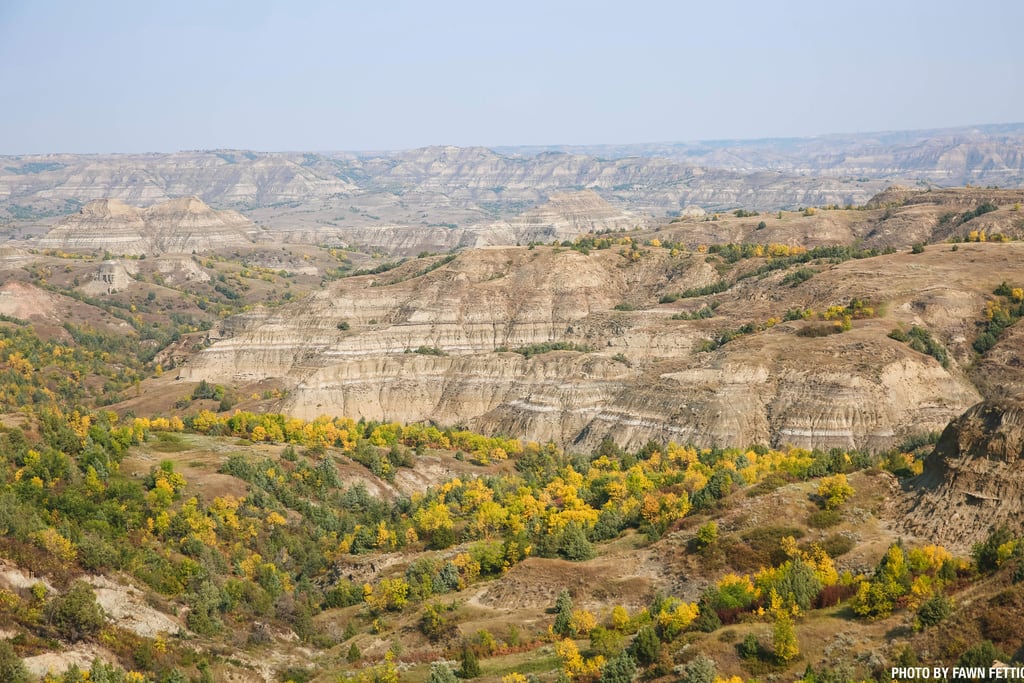
(AP) BISMARCK, N.D. As part of a Native American tribe’s attempts to protect the land and promote leisure, a new tribal national park in the untamed Badlands of North Dakota is welcoming hikers and other outdoor lovers to a little-known portion of the breathtaking scenery.
By purchasing 2,100 acres (850 hectares) of a former ranch on the south side of the Little Missouri River, next to the limits of the Fort Berthold Reservation, the Mandan, Hidatsa, and Arikara Nation created Three Affiliated Tribes National Park.
According to Mary Fredericks, head of the Tribe’s Parks and Reserve Program, the area was part of the tribe’s original treaty holdings, but a government allotment legislation later decreased the reservation’s size. The park has been added to the reservation’s limits.
According to Tribal Chairman Mark Fox, the objective is to create a park for cultural and recreational activities including kayaking, canoeing, and wildlife viewing.
“It’s very important to us, the entire area, and part of our history,” Fox added. This is just another bold attempt to reclaim some of our properties and then use them in a way that will help the economy and tourism through recreation.
When planning and developing the park, park officials are taking care to consider the effects on the surrounding terrain.
This location will remain here forever, and when we’re done, it will be better than when we started, and that’s what we’re aiming for, said Park Superintendent Ethan White Calfe.
The word “Badlands” refers to the challenging terrain of North Dakota, which is characterized by a bleak, erosive, and vibrant scenery with striking formations, petrified wood, and old fossils. Hikers, campers, hunters, cyclists, and other outdoor lovers are drawn to the area.
After a limited opening in September, the park is now only accessible on foot with a free online permit. Hikers must park in a grass lot, and park officials ask visitors to register their plans. According to Fredericks, organizers aim to complete 10 miles (16 kilometers) of trails by the end of the summer.
There are plans to construct a campground and visitor center. In the erosive habitat, where invasive species have driven out some native plants that thrive there, park authorities also aim to work on native prairie and soil restoration, according to White Calfe.
We’re trying to figure out how to make this place look like it looked three hundred years ago. White Calfe said, “How can we help this area heal so that it is in a lot more of an equilibrium state?”
Fredericks remarked that although the terrain is lovely and gorgeous, it is also steep and misleading.
A state roadway that descends from a level area into a rough riverbed splits the park in half. According to her, drivers can view portions of the park but not its interior.
According to Fredericks, the park may eventually serve as a gateway for tourists to enter the reservation. Lake Sakakawea, which spans the expansive reservation, as well as the Maah Daah Hey Trail and Theodore Roosevelt National Park adjacent, offer opportunities for outdoor enjoyment.
According to Fredericks, the MHA Nation profits from oil drilling on its reservation, which enabled the tribe to purchase the park’s acreage.
However, she added, we must exercise caution and save and conserve. I’m incredibly proud of our tribe council for having the vision to purchase this area with the goal of turning it into a national park. We can conserve this portion of the land even if we have no idea what will happen to our landscape in fifty years.
Little Missouri State Park, which is adjacent to the park, attracts horseback riders with its 40 miles (64 kilometers) of Badlands trails.
There is something almost divine about the untamed countryside. According to Cody Schulz, director of the state’s parks and recreation department, it’s serene.
According to Schulz, the tribe and state park authorities have collaborated on projects like connecting trail systems over the past two years. According to Fredericks, tribal park authorities are working with anyone who is willing.
According to White Calfe, a park like this gives us the chance to share our own narratives and stories from our own points of view. That’s quite valuable.


